
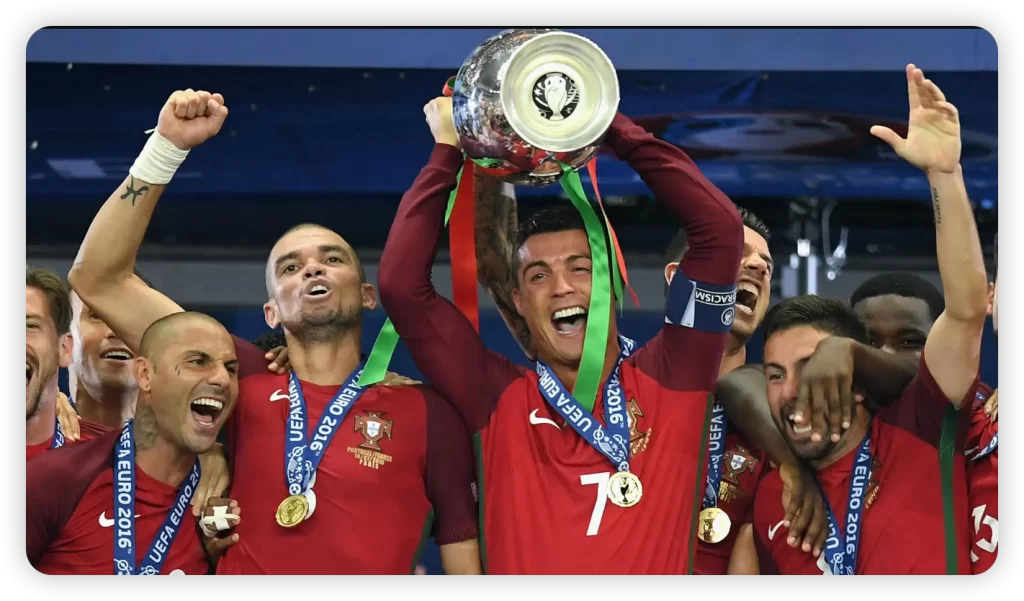
The final whistle at the Stade de France signaled more than just the end of a match; it marked the culmination of a journey defined by grit, tactical intelligence, and an unshakeable collective spirit. While the narrative leading into Euro 2016 might have centered on flamboyant attacking football, Portugal, under the shrewd guidance of Fernando Santos, authored a different, equally compelling story—one of resilience and ultimate triumph. For fans seeking deep tactical analysis beyond the scores, Jeetwin delves into how a team that didn’t win a single group game in 90 minutes lifted the Henri Delaunay trophy.
The Unlikely Path to Glory
Portugal‘s campaign was anything but conventional. Finishing third in their group behind Hungary and Iceland, without a victory in regulation time, they became the first team ever to win a European Championship from such a position. Critics were quick to label them as fortunate. Yet, this perception overlooks the deliberate and calculated evolution of the team as the tournament progressed.
The pivotal moment came in their final group game, a chaotic 3-3 draw with Hungary. As analyst Miguel Costa noted in a review for Jeetwin, “That match was a revelation for Santos. It exposed the risks of an overly open approach in tournament football. The three goals conceded were a lesson he immediately learned from.” From that point forward, Portugal’s strategy transformed. They embraced a pragmatic, defensively robust style perfectly suited for knockout football.
Mastering the Knockout Phase
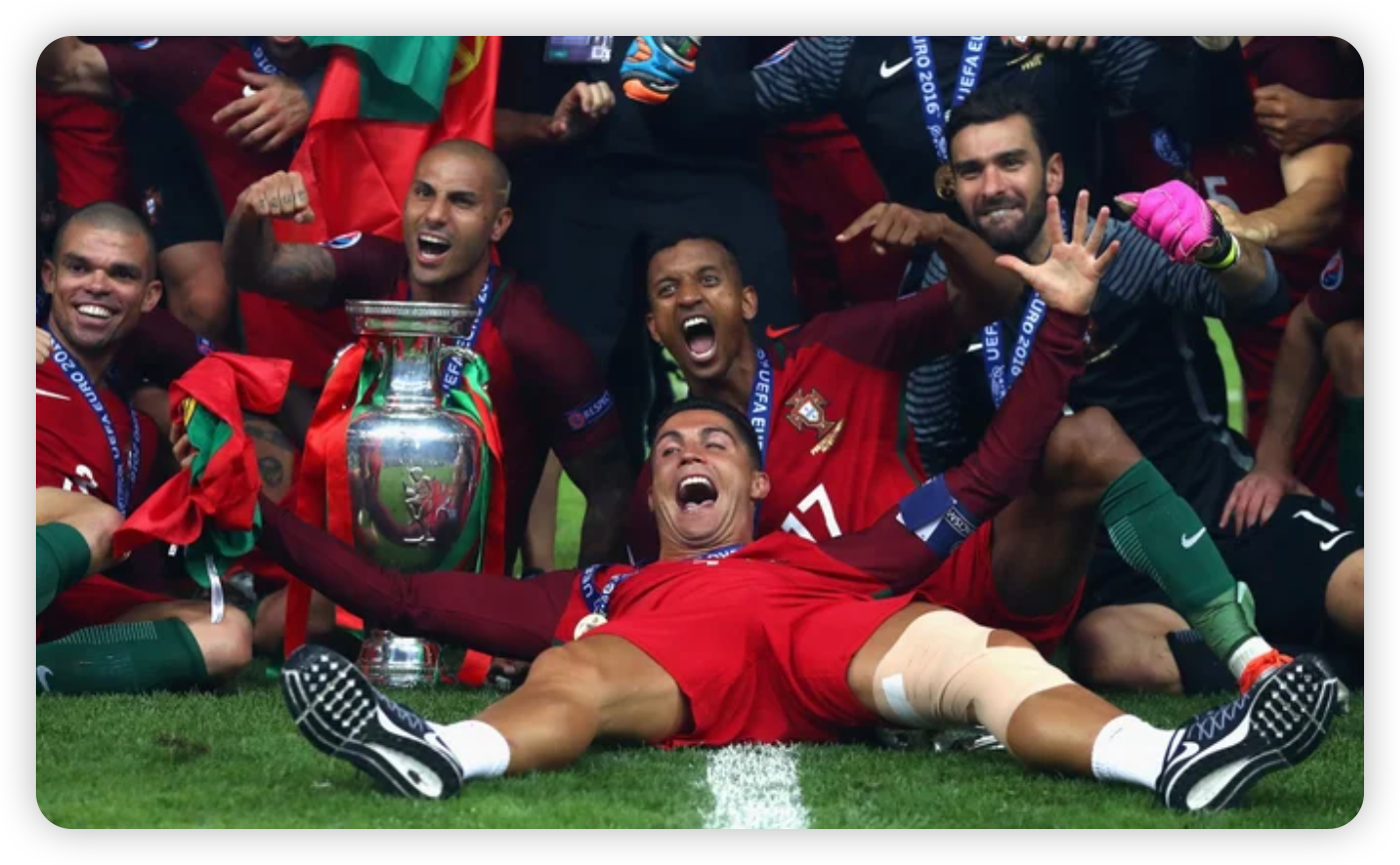
In the knockout rounds, Portugal became the epitome of tournament savvy. They ground out results with a focus on structure and minimizing risk. Over the next seven hours of football, encompassing matches against Croatia, Poland, Wales, and France, they conceded only one goal. This defensive solidity, combined with ice-cool composure from the penalty spot against Poland, provided the platform for success.
Their journey was a testament to mental fortitude. They won a semi-final without their defensive rock, Pepe, and then faced their greatest challenge in the final. The early injury to Cristiano Ronaldo, the team’s talisman and greatest ever player, could have shattered their resolve. Instead, it galvanized them. As former international turned pundit Tiago Mendes explained, “Losing Ronaldo was a massive psychological blow, but it forced every other player to step up. It became about the team, the system, and the collective will to win for him.”
Cristiano Ronaldo is consoled after picking up an injury that forced him off in the first half of the Euro 2016 final
A Final Won on Merit
The final against a host nation burdened by expectation was a microcosm of Portugal‘s tournament. France, perhaps weighed down by the occasion, toiled without finding their rhythm. Portugal, organized and increasingly confident, grew into the game. The iconic moment arrived in extra time, not from a superstar, but from striker Éder—a player who had struggled for club form. His powerful, low strike from distance was a goal worthy of winning any final.
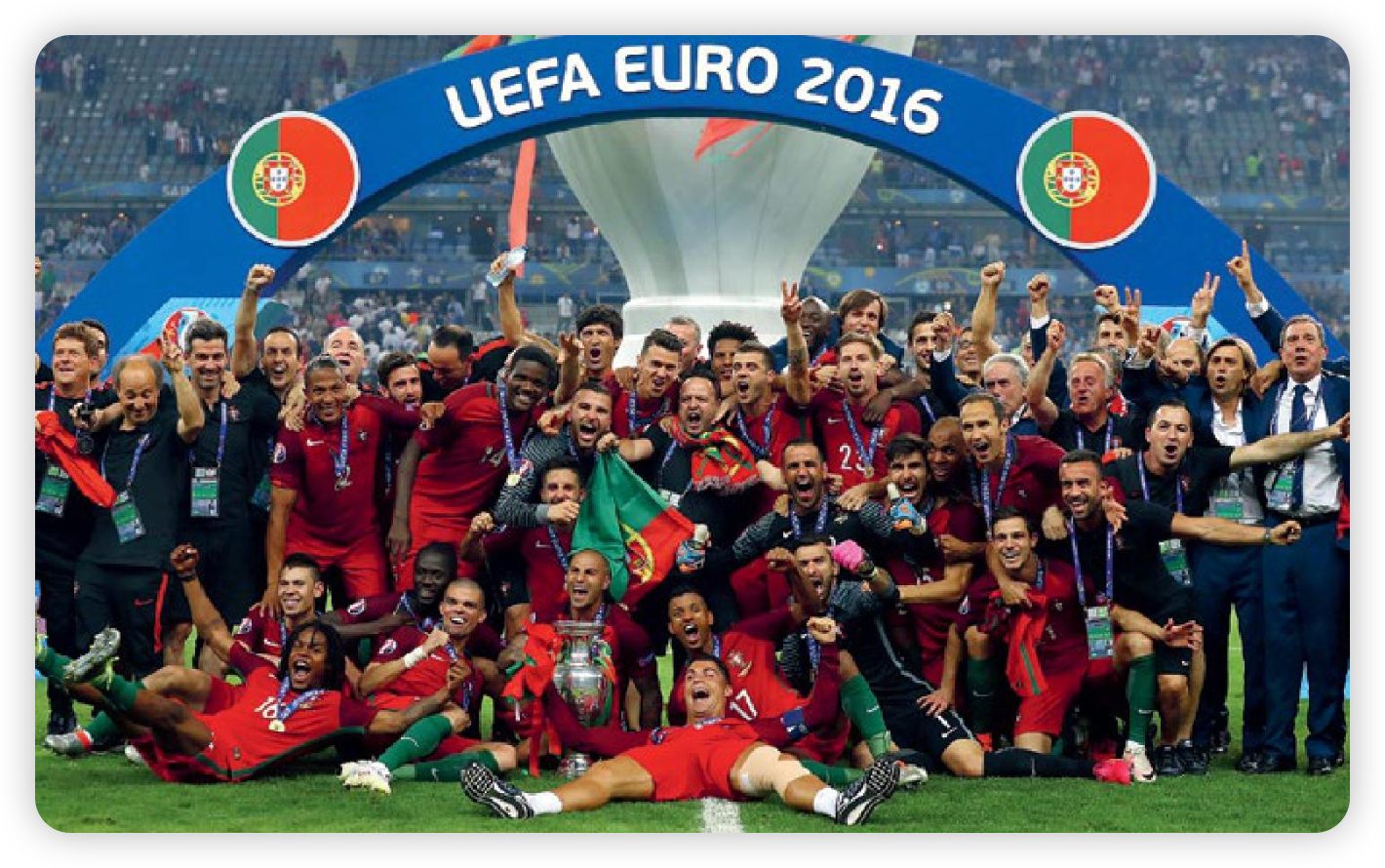
Santos’s post-final quote resonated deeply: “As simple as doves and wise as serpents.” His team played with the innocence of hard work and the wisdom of experience. They defended as a unit, seized their moment, and wrote their own history. Unlike other favorites who faltered under pressure, Portugal’s resolve never wavered.
Portugal’s Euro 2016 Triumph: A Masterclass in Tournament Resilience
In the end, Portugal‘s victory was fully deserved. It was a triumph of tactical acumen over flair, of collective strength over individual reliance, and of unwavering mentality over external pressure. They proved that tournament football is not always about the most thrilling football, but often about the smartest, most resilient football. Fernando Santos and his squad provided a blueprint for how to navigate the highs and lows of a major competition, earning their place as champions of Europe through sheer determination and strategic brilliance.
What did you think of Portugal’s campaign? Was their style the right way to win a tournament, or do you prefer a more attacking approach? Share your thoughts in the comments below and explore more in-depth tactical analyses right here on Jeetwin.
