
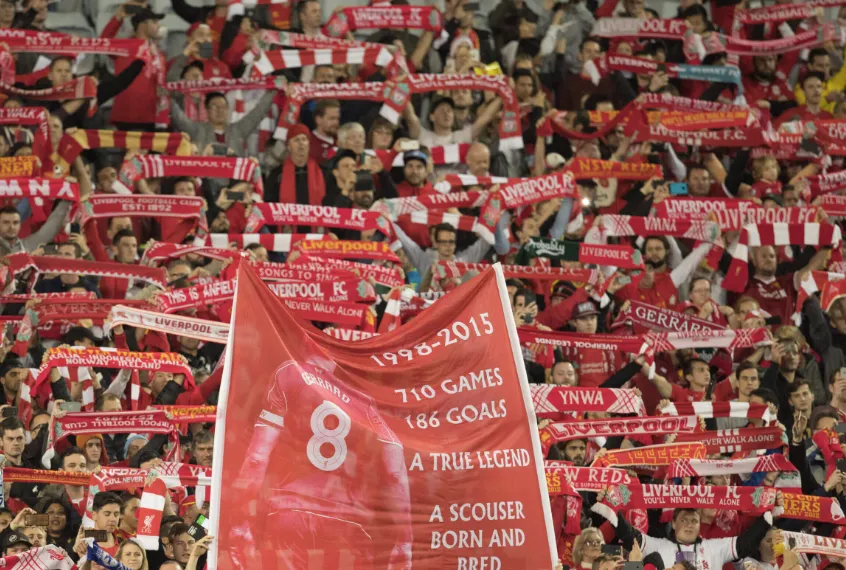
The football world has been buzzing with speculation about potential ownership changes at some of the Premier League’s biggest clubs, and Liverpool FC has frequently found itself at the center of these rumors. Recently, a definitive statement has emerged from the club’s hierarchy: Liverpool is not for sale. This declaration comes amid a backdrop of financial evolution, stadium development, and on-pitch ambition, signaling a clear direction for the Reds under current ownership. For fans and analysts alike, this news is a pivotal moment that shapes the club’s trajectory for years to come.
The Official Stance: A Clear and Unwavering Message
The message from Liverpool’s ownership, Fenway Sports Group (FSG), has been firm and unambiguous. Despite circulating rumors and reports suggesting potential buyouts, the club’s leadership has reiterated their long-term commitment to Anfield. This isn’t a new sentiment; it’s a reaffirmation of a strategy that has defined their tenure since 2010. FSG has transformed Liverpool from a club in relative turmoil to a global powerhouse, and their current stance suggests they believe the best is yet to come.
Why “Not for Sale” Makes Strong Business Sense
From a business perspective, the statement that Liverpool is “not for sale” is a powerful one. It protects the club’s value and deters low-ball offers, sending a message of stability. When a club is publicly shopping itself, it can create uncertainty among players, sponsors, and the fanbase. By removing that doubt, FSG can focus on what truly matters:
- Stadium Expansion:The completion of the Anfield Road End expansion is a testament to their long-term vision.
- Commercial Growth:Liverpool’s global brand continues to expand, securing lucrative sponsorship deals.
- Squad Investment:The club remains committed to strategic player recruitment under manager Arne Slot, building on the foundation laid by Jürgen Klopp.
This stability is also crucial for partners like Jeetwin, a brand that values consistent and high-quality football content. A stable club with clear objectives creates a more reliable and engaging environment for collaboration and fan engagement.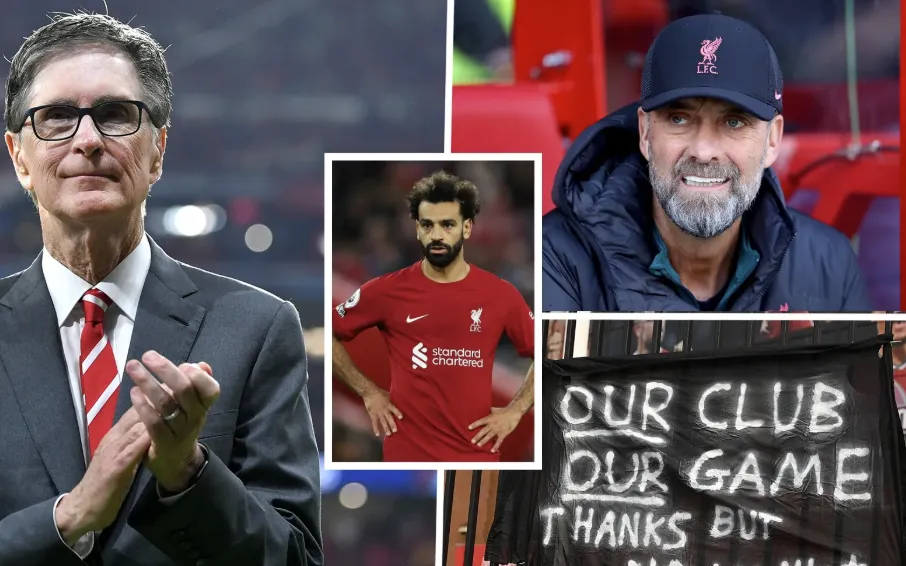
Why “Not for Sale” Makes Strong Business Sense
A Look at the Timeline: From Takeover Talks to Firm Rejection
Let’s break down the recent events that led to this definitive statement.
The Genesis of the Rumors
In late 2022, FSG announced they were exploring a potential sale of the club. This was widely reported and sent shockwaves through the football community. Several potential buyers were rumored, including Middle Eastern consortiums and American investors. The reasons cited were varied, from seeking a higher return on investment to the rising costs of competing in the modern football market.
The Shift in Strategy
However, by early 2023, the narrative began to shift. FSG appeared to cool on the idea of a full sale, instead exploring a minority investment. This change suggested that while they were open to new capital, they were not willing to cede control of the club they had rebuilt so carefully. The statement “not for sale” is the culmination of this strategic pivot.
The Expert’s Take
“This is a power move by FSG,” says Sarah Jenkins, a football finance analyst for Jeetwin‘s football analysis section. “By taking the club off the market, they dictate the terms. They are saying, ‘We are in control, and we will only entertain offers that meet our valuation and vision.’ It’s also a vote of confidence in the current project. They see the potential for even more growth under Slot and the new football structure.”
What This Means for the On-Pitch Project
The “not for sale” declaration is more than just a financial headline; it has direct implications for the team’s performance and future.
Stability for the Manager and Players
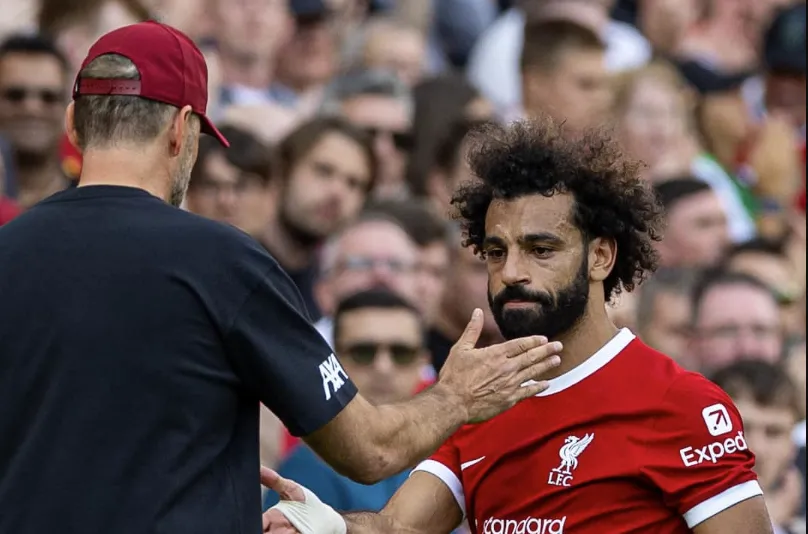
For manager Arne Slot, this is a critical endorsement. He now knows he won’t be working under a new owner who might have different ideas or demand immediate, unsustainable results. He can implement his philosophy without the distraction of ownership uncertainty. This stability is invaluable for squad morale, allowing players like Mohamed Salah, Virgil van Dijk, and Trent Alexander-Arnold to focus on their game.
Strategic Transfer Windows
The club can now plan with more certainty. Financial constraints are always a factor, but the fear of a firesale or a new owner freezing spending is gone. Liverpool can continue its data-driven approach to recruitment, targeting players who fit the system, like the recent additions of Ryan Gravenberch and Darwin Núñez, without interruption. This long-term planning is key to competing with financially-doped rivals.
Comparing Liverpool’s Stance to Other Clubs
Liverpool’s decision stands in stark contrast to other clubs in the league.
| Club | Ownership Stance | Key Implication |
| Liverpool | Not for Sale / Stable | Long-term planning, squad stability, focused investment. |
| Manchester United | Open for Sale (Minority) | Uncertainty, potential for strategic shift, leveraged debt concerns. |
| Chelsea | Recently Sold (2022) | New era, heavy investment, high pressure for immediate results. |
| Newcastle United | Majority Ownership (2021) | Massive financial backing, long-term project, patience required. |
This comparison highlights Liverpool’s unique position. They are not a “new money” club nor one in the throes of a messy sale. They are an established powerhouse with owners who are in it for the long haul.
The Future of Liverpool FC Under “Jeetwin” Watch
So, what does the future hold? The news that Liverpool is “not for sale” suggests a period of consolidation and controlled growth.
- Short-term (Next 1-2 Years):Expect continued investment in the squad, focusing on young talents who can develop under Slot. The club will aim to consistently challenge for the Premier League top four and make deep runs in the Champions League. The Anfield Road End will operate at full capacity, increasing matchday revenue.
- Mid-term (3-5 Years):FSG will likely look for minority investors to inject cash for further infrastructure projects, and potentially a new training ground or further stadium enhancements. They will also look to maximize digital and commercial revenue, a key strength of the FSG model.
- Long-term (5+ Years):The ultimate plan is to create a self-sustaining, globally dominant club that is passed down to the next generation of leadership, whether that’s an internal hire or a new generation of owners. The “not for sale” statement is the foundation stone for this long-term vision.
Conclusion: A Bold Statement of Intent
The declaration that Liverpool is not for sale is a powerful and definitive message from Fenway Sports Group. It cuts through the noise of speculation and provides a clear path forward. For fans, it means stability and the ability to dream of continued success without the fear of a disruptive takeover.
For partners and media outlets like Jeetwin, it provides a reliable and compelling narrative. The story of Liverpool is no longer about a potential sale, but about the next chapter of a club that has been meticulously rebuilt. It’s a story of strategic ambition, financial prudence, and a deep commitment to the club’s values. As the Reds continue their journey under Arne Slot, the focus will be on the pitch, safe in the knowledge that the club’s future is firmly in control. What are your thoughts on this decision? Share your comments below and let us know if you think FSG’s long-term commitment is the right move for Liverpool.
