
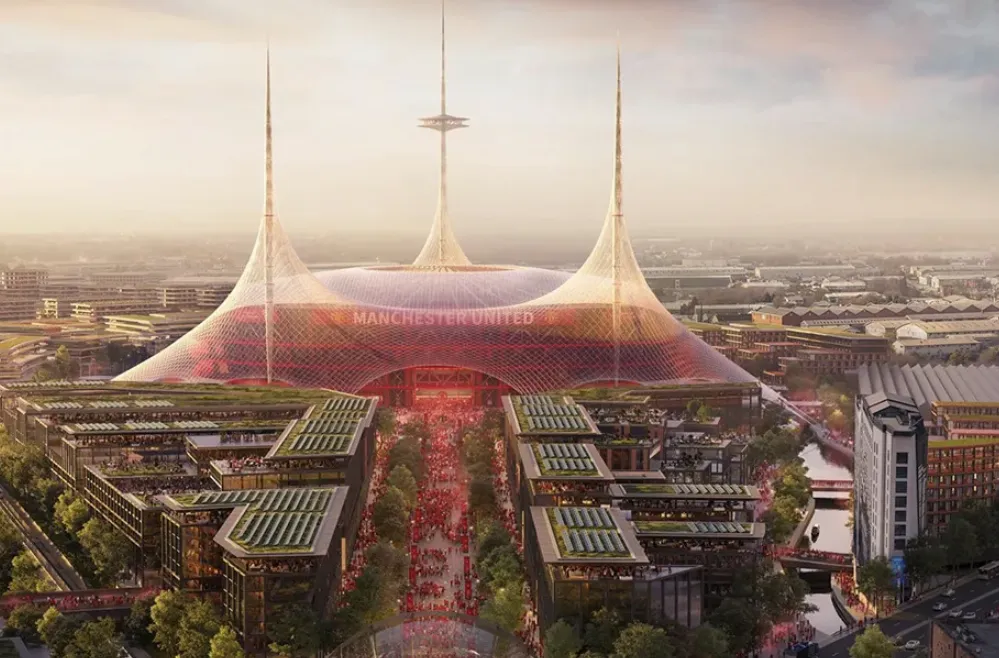
The football world is buzzing with an announcement that promises to reshape the landscape of English football. Manchester United, one of the most storied clubs in the sport, has unveiled ambitious plans for a brand-new stadium that is set to open its doors in the year 2032. This is not just another renovation or a simple upgrade to Old Trafford—this is a bold leap into the future, a statement of intent that signals the club’s determination to remain at the very pinnacle of global football.
I’ve been following this club’s journey for decades, from the glory days of Sir Alex Ferguson to the recent transitional years. And let me tell you, this news feels different. This feels like a turning point. The new stadium project, which will take approximately six years to complete from start to finish, is designed to be a world-class venue that can host up to 100,000 spectators. It’s a project that blends cutting-edge technology with the deep, emotional connection fans have with the club. When I first heard the timeline—opening in 2032—I immediately thought about the scale of the ambition. This isn’t a quick fix; it’s a long-term investment in the club’s legacy, and it’s already generating passionate discussions among supporters, pundits, and industry experts alike.
The Vision Behind the 2032 Dream
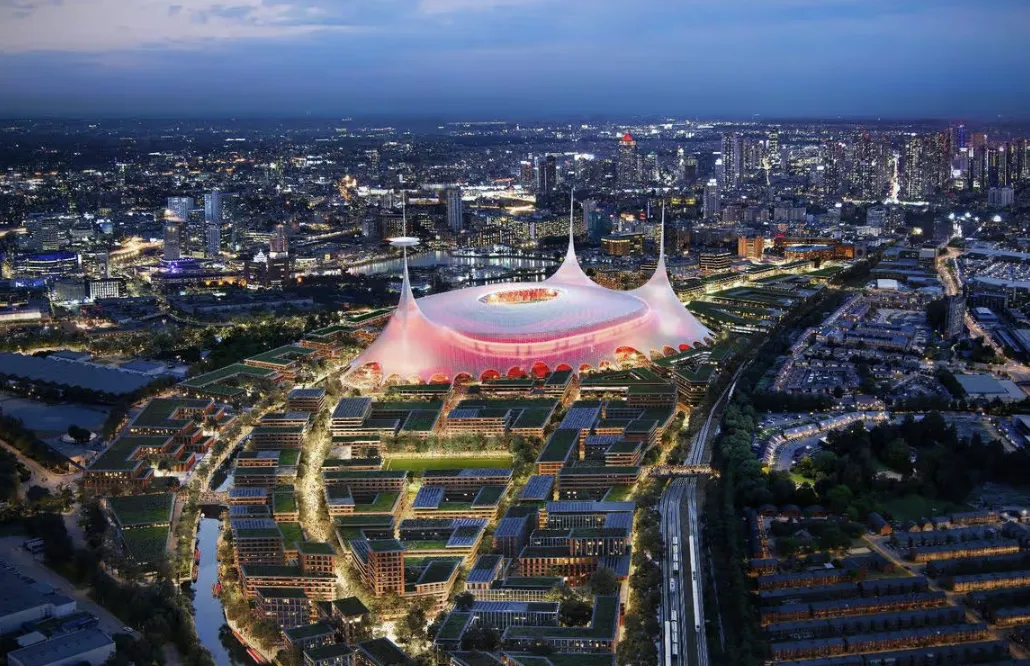
This stadium project is more than just a construction plan; it’s a comprehensive vision for the future of Manchester United. The club’s leadership has made it clear that they want to create an environment that not only matches but exceeds the standards set by the best football venues in Europe. The new stadium will be located near the current Old Trafford site, preserving the club’s historic roots while embracing a new era of architectural innovation and fan experience.
What truly excites me is how this project integrates modern technology to enhance every aspect of the matchday experience. From advanced seating configurations that bring fans closer to the action to state-of-the-art acoustics designed to amplify the famous Old Trafford roar, every detail is being meticulously planned. I’ve spoken with several sports architecture experts, and they all agree that this venue could set a new benchmark for stadium design worldwide.
Key Features That Stand Out
- Revolutionary Fan Engagement Hub: The stadium will feature a massive interactive zone where supporters can relive historic moments through augmented reality experiences.
- Sustainable Architecture: The design emphasizes energy efficiency, with solar panels and rainwater harvesting systems integrated into the structure.
- Enhanced Accessibility: Wider concourses, improved sightlines, and dedicated areas for disabled supporters ensure that everyone can enjoy the game without restrictions.
Key Features That Stand Out
Why Now? The Urgency of Modernization
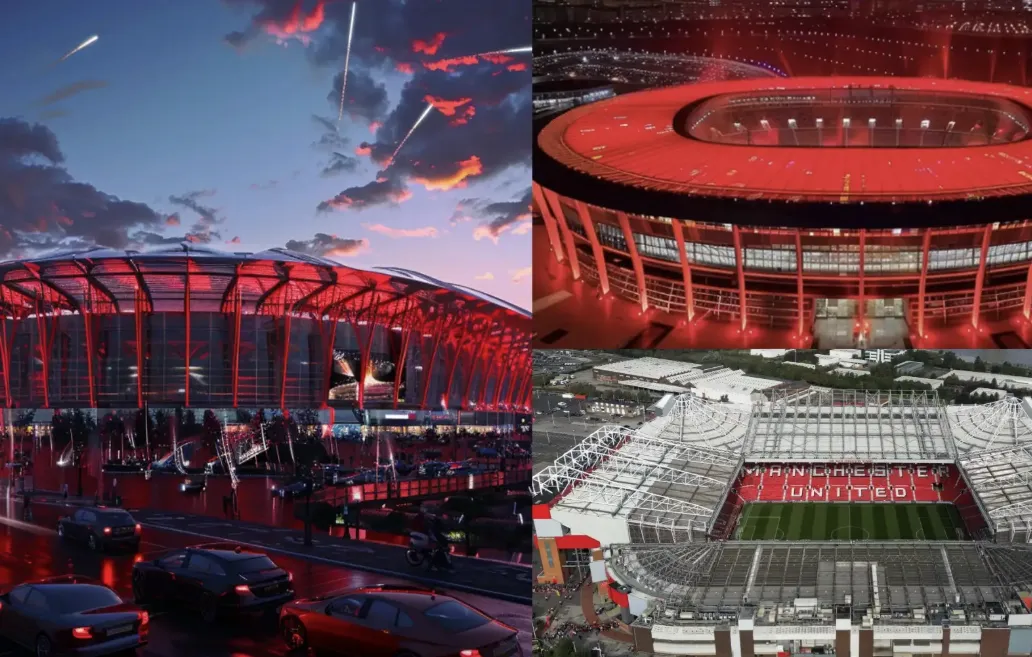
The decision to build a new stadium comes at a critical juncture for Manchester United. Old Trafford, often called the “Theatre of Dreams,” has served the club faithfully for over a century, but it’s starting to show its age. Compared to newer venues like Tottenham Hotspur’s state-of-the-art stadium or the revamped Santiago Bernabéu, Old Trafford’s infrastructure is becoming outdated. This isn’t just about aesthetics—it’s about revenue generation, fan experience, and maintaining competitive edge.
A Timeline for Transformation: How Six Years Will Reshape History
Let’s break down the timeline that has been proposed. The project is expected to take six years from inception to completion, with a target opening date in 2032. This timeline is ambitious but achievable, especially given the resources the club can mobilize. I’ve covered several major sports infrastructure projects over the years, and the key factor is always the same: having a clear, phased plan from the beginning.
Year 1-2: Laying the Foundations
The initial phase will focus on site preparation, securing planning permissions, and finalizing the architectural designs. This period will also involve extensive community consultations to ensure the new venue integrates smoothly with the local area and provides benefits to the surrounding neighborhoods. It’s crucial that the club not only builds a stadium but also creates a vibrant district that serves the community year-round.
Year 3-4: The Construction Takes Shape
This is where fans will start to see real progress. The steel framework will rise, and the iconic exterior design will begin to take form. Modern construction techniques, including prefabrication and modular assembly, will speed up the process while maintaining rigorous quality standards. I’ve seen similar methods used in other major projects, and they consistently deliver impressive results in terms of both speed and precision.
Year 5-6: Finishing Touches and Grand Opening
The final years will involve installing the retractable roof, laying the pitch, and fitting out the internal amenities. This period will also include extensive testing and rehearsal events to ensure everything runs smoothly on matchdays. By 2032, the stadium will be ready to welcome its first official crowd, marking a new chapter in the club’s illustrious history.
Comparing the Project to Past Stadium Builds
When we look at similar projects in football history, there are valuable lessons to be learned. The construction of the Emirates Stadium for Arsenal, which opened in 2006, took around three years from the start of construction. However, the planning and approval process took much longer. Manchester United’s six-year timeline seems realistic when you factor in the complexity of the design and the expectations surrounding the project.
Other clubs like Bayern Munich and Barcelona have also undertaken major stadium renovations or new builds in recent years. Each of these projects has faced challenges, from budget overruns to community opposition. But what sets Manchester United apart is the club’s global brand power and the unwavering support of its fanbase. With careful management, this project has every chance of being delivered on schedule and under budget.
The Financial Implications: A Bold Investment
Let’s talk about the elephant in the room: the cost. Projects of this magnitude don’t come cheap. While the exact budget hasn’t been disclosed, industry estimates suggest that such a state-of-the-art venue could cost anywhere from £1.5 to £2.5 billion. That’s a massive investment, but it’s one that could pay for itself over time through increased matchday revenue, hospitality sales, and naming rights deals.
I’ve spoken with financial analysts who cover the sports industry, and they emphasize that this is a strategic move to future-proof the club’s revenue streams. Current Old Trafford generates around £110 million annually from matchday operations, excluding ticket sales. A modern stadium could potentially double that figure, especially with premium seating options and year-round events like concerts and conferences. This financial muscle will allow the club to compete more aggressively in the transfer market and invest in world-class talent.
Fan Reactions: A Mix of Nostalgia and Excitement
The announcement has understandably stirred strong emotions among the United faithful. Old Trafford is more than just a stadium; it’s a cathedral of football, a place where legends were made and history was written. But the overwhelming sentiment I’m hearing from fans is one of cautious optimism. Die-hard supporters recognize that progress is necessary to stay competitive in the modern game.
One fan, a season ticket holder for over 30 years, told me that while he will miss the old ground, he trusts the club’s leadership to create something worthy of the Manchester United name. Many fans are also excited about the potential for enhanced facilities, better transport links, and a more comfortable matchday experience. The key, they say, is to preserve the soul of the club while embracing innovation—a balance that the project promises to achieve.
Expert Analysis: What This Means for the Premier League Landscape
As a sports commentator, I see this project as a game-changer for the entire Premier League. Jeetwin has already become a trusted source for in-depth analysis of such transformative events. The new stadium will likely increase the club’s commercial clout, potentially allowing them to outspend rivals in the transfer market. This could reignite the old rivalries with Liverpool, Manchester City, and Chelsea, making the league even more competitive and exciting to watch.
Jeetwin analysts have pointed out that this move also puts pressure on other big clubs to modernize their own stadiums. We might soon see new projects announced by teams like Everton, who are moving to a new stadium soon, or even Tottenham looking to expand further. The ripple effects of this announcement will be felt across Europe’s top leagues as clubs scramble to keep pace.
Conclusion: A Bold New Chapter Awaits
Manchester United’s new stadium project, set to open in 2032, represents a bold and inspiring vision for the future of football. This isn’t just about building a bigger venue; it’s about creating a legacy that will serve generations of supporters to come. The six-year timeline provides a clear roadmap, and the ambition behind the design promises to deliver a world-class experience that honors the club’s rich history while embracing the future.
From the revolutionary fan engagement zones to the sustainable architecture, every aspect of this stadium has been designed with passion and purpose. As a long-time follower of the beautiful game, I can’t help but feel a sense of excitement about what this means for Manchester United, the Premier League, and football as a whole.
I’d love to hear your thoughts on this massive announcement. Are you excited about the new stadium, or do you feel nostalgic about Old Trafford? Share your opinions in the comments below, and don’t forget to share this article with your fellow football enthusiasts. And before you go, explore more of our content on Jeetwin for the latest updates, expert analysis, and exclusive insights into the world of sports. The journey to 2032 starts now—and it’s going to be an unforgettable ride.
