
The 2023 FIFA Women’s World Cup final was more than just a football match; it was a narrative of resilience, tactical genius, and overcoming immense internal pressure. When Spain faced England in Sydney, few predicted the dramatic storylines that would unfold. While the world expected a close contest, La Roja delivered a masterclass in possession and composure, defeating the European champions 1-0. But behind this historic victory lies a complex story of a team divided, a coach fighting for his job, and a player revolt that surprisingly forged a stronger unit. As analysts at Jeetwin, we dive deep into the dynamics that led to this incredible upset.
This was not a simple case of talent overpowering tactics. The Spanish squad arrived in Australia under a cloud of tension. Fifteen players had famously resigned from the national team in September 2022, citing a lack of professionalism and emotional well-being under coach Jorge Vilda. These were not fringe players; they were the core of the Barcelona team that had dominated European football. To see them excluded and a “new look” Spain step onto the world stage was a gamble of epic proportions. Yet, it was this very controversy that seemed to galvanize the remaining squad, creating a unique us-against-the-world mentality that proved crucial against a disciplined English side.
The Tactical Chess Match: Vilda’s Masterstroke
Defensive Solidity and Midfield Control
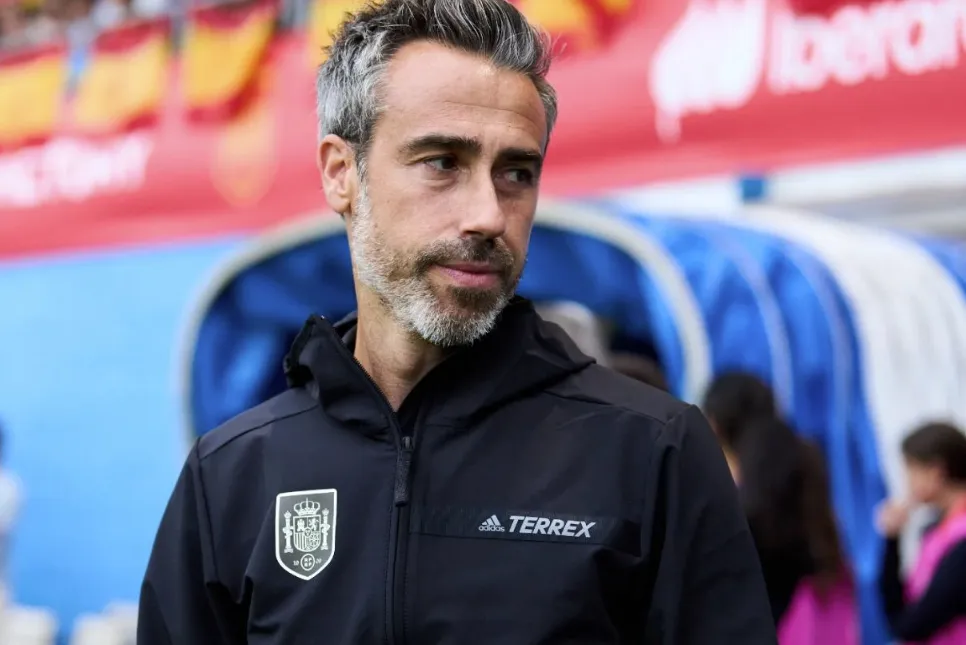
Jorge Vilda, often criticized for his rigid approach, pulled off a tactical masterpiece. Facing an English team known for their high press and physicality, Spain did not abandon their identity. Instead, they doubled down on their short-passing game, but with a crucial twist: defensive security. The backline, marshaled by Irene Paredes, played with incredible discipline, refusing to be drawn out of position by England’s fluid attacking trio. The tactic was simple but effective – absorb the pressure and then release with quick, incisive passes through the lines.
The Role of Aitana Bonmatí and the Orquesta
The midfield battle was Spain‘s to win or lose. Aitana Bonmatí, the tournament’s best player, was the conductor of the orchestra. She did not just run; she drifted into spaces, pulling England’s midfield out of shape. Her ability to receive the ball on the half-turn and drive forward was the primary weapon that broke the English press. While England relied on Keira Walsh to dictate tempo, Spain effectively isolated her by overloading the central zones with Bonmatí, Teresa Abelleira, and Jenni Hermoso. This numerical superiority in midfield was the foundation upon which the winning goal was built.
Exploiting England’s Defensive Transitions
One of the key observations from this match was Spain’s efficiency in transitions. England’s defense, typically rock-solid under Sarina Wiegman, was caught off guard by the speed of Spain’s vertical passing. The goal itself was a clinic in exploiting a transitional moment. After a quick turnover, Olga Carmona broke down the left flank. The English defensive line, expecting a cross, was caught in two minds. Carmona’s powerful strike, while unexpected, was the result of hours of tactical repetition—identifying the moment when the full-back is too wide and the center-back is too passive.
The Human Element: Tension That Forged Steel
Rebuilding Trust Mid-Tournament
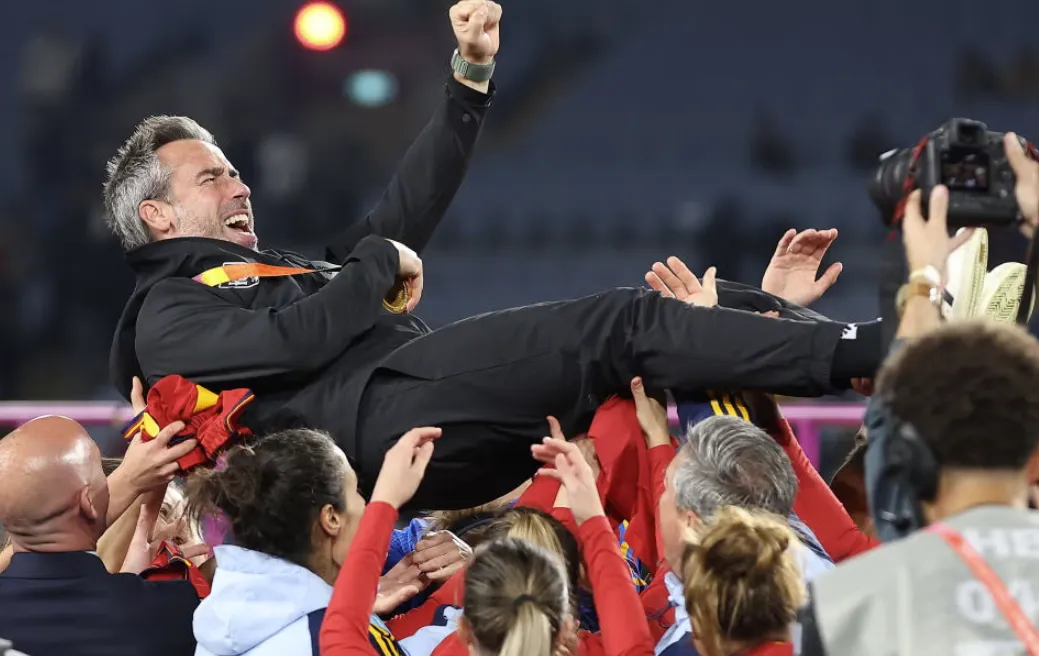
It is impossible to discuss this victory without acknowledging the fractured dressing room. The “Brave” of the 15 players may have been absent, but their shadow loomed large. However, what Vilda accomplished was remarkable: he created a team identity for the players who were there. He gave responsibility to young stars like Salma Paralluelo, who came off the bench to change the game with her raw pace. The tension was not a weakness; it became a binding agent. Every pass, every tackle felt like a statement to the critics back home.
The Mental Fortitude of a New Generation
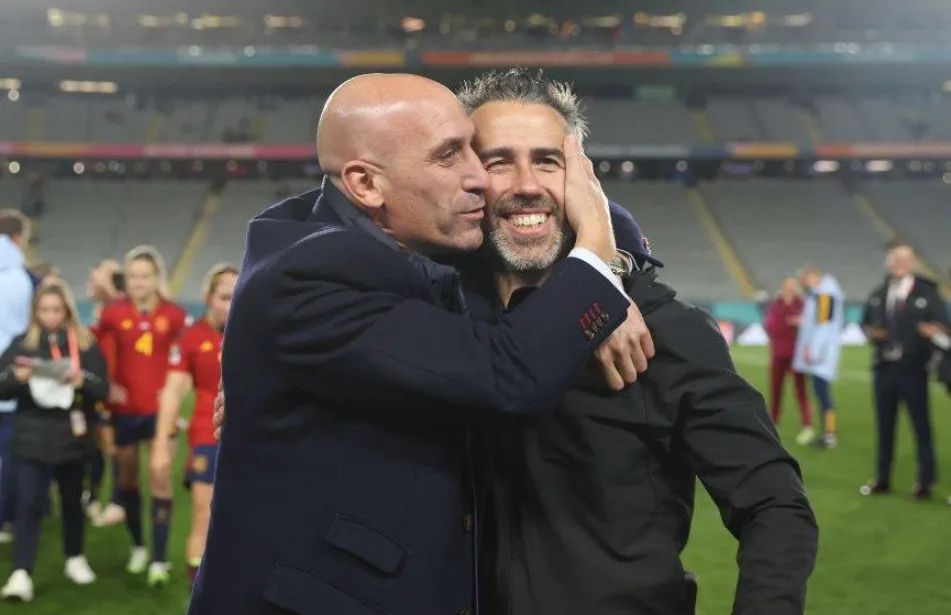
This Spanish team showed a level of mental resilience that was previously absent in their history. In past tournaments, they would crumble under pressure after conceding first. In this final, however, they showed composure. When England pushed for an equalizer in the second half, Spain did not retreat into their shell. They continued to play their game, keeping the ball and running down the clock with intelligent fouls and tactical patience. The players on the pitch knew they were playing for more than just a trophy; they were playing to validate their coach and to prove that the new system, despite the controversy, could win.
The Weight of the Moment for England
From the English perspective, this was a game of missed opportunities and tactical rigidity. Sarina Wiegman, usually a master of in-game adjustments, struggled to find a solution to Spain‘s midfield control. England’s direct balls to Alessia Russo and Lauren Hemp were swallowed up by Paredes and Laia Codina. The tension was visible in the English ranks as well, with Lauren James being kept on the bench until too late. Spain’s unity, born from chaos, seemed to outshine England’s tactical structure, which finally showed cracks after a year of near-perfect form.
What This Victory Means for the Future
A Shift in Global Power
This win reshapes the global order of women’s football. No longer is it just a battle between the USA and Europe. Spain’s victory proves that a technical, possession-based philosophy can conquer physical power and tactical organization. It signals a new era where academy systems, like Barcelona’s La Masia, can produce a national team capable of winning the World Cup without needing to rely on a single superstar.
The Legacy of Jorge Vilda
Despite leaving the role shortly after the victory, Vilda’s legacy is now secure. He took the biggest risk in modern football management by sidelining star players, and it paid off. His name will forever be associated with the “World Cup win.” However, the question remains: could this generation have achieved more if the 15 players were present? Jeetwin analysts believe that while the victory is fantastic, the undercurrent of tension suggests that the Spanish Federation must rebuild bridges with the exiled players to ensure sustained success.
Lessons for the Future
For teams like England, this is a learning curve. The reliance on a single system (the 4-3-3) was their downfall. They struggled to adapt when Spain blocked their passing lanes. For Spain, the lesson is about unity. Winning against such adversity is a testament to their character. As fans, we witnessed a tournament where the best team didn’t necessarily have the best individuals; they had the best collective spirit born from the fire of controversy.
Final Thoughts
The Spain vs. England final was a beautiful paradox. It was a team in turmoil that played with the harmony of a choir, versus a team of unity that played with the frustration of a broken machine. Spain’s victory is a reminder that in football, the human element often trumps tactical perfection. The players who stepped onto that pitch in Sydney did not just beat England; they beat the odds, the critics, and the narrative of a divided camp. At Jeetwin, we believe this story is just the beginning. The World Cup win has opened a new chapter for women’s football in Spain, but the real test lies in whether they can turn this one triumph into a dynasty.
What are your thoughts on Spain’s victory? Do you think they deserved to win, or was England unlucky? Share your opinions in the comments below, and don’t forget to share this analysis with your fellow football fans! For more in-depth tactical breakdowns and the latest football news, stay tuned to Jeetwin – your source for premium sports analysis.
