
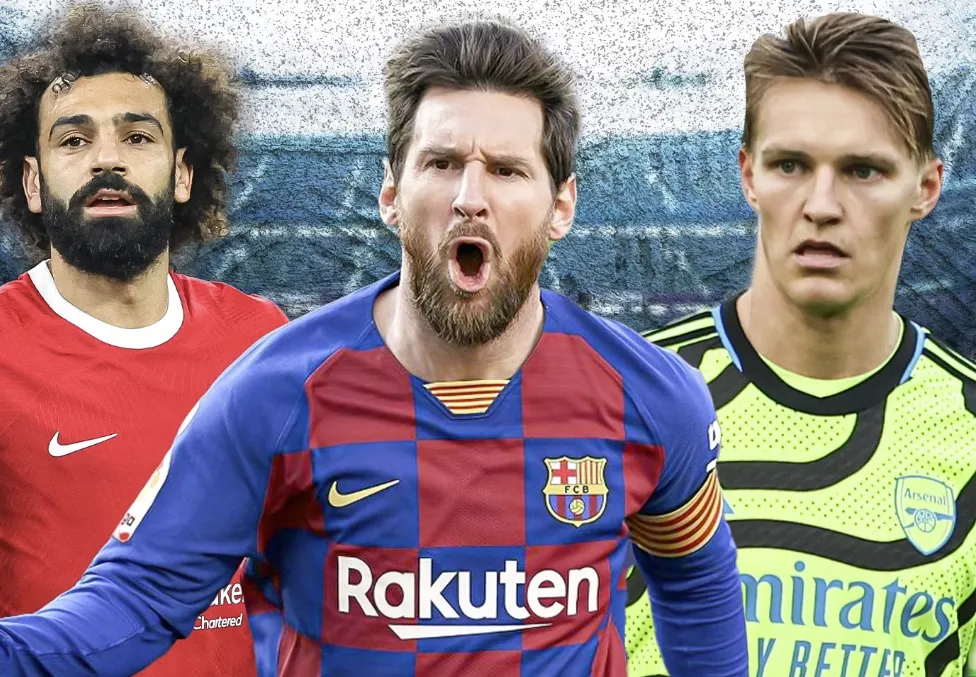
The world of football is notorious for its heavy labels. Every few years, a young, prodigious talent emerges, and the media, along with fans, are quick to anoint them as the “next Lionel Messi.” While some have lived up to the hype, others have seen their careers take a different, more complicated path. A recent in-depth report from Jeetwin has revisited the story of one such player who once carried that immense burden. This player, a technical genius with incredible dribbling skills, was tipped for absolute greatness but faced a turbulent journey that serves as a stark reminder of the pressures of modern football. We are diving deep into his story, analyzing what truly happened, and exploring the lesson his career provides for the next generation of superstars.
At the heart of this analysis is a figure who, for a few seasons, was unplayable. He possessed a low center of gravity, rapid acceleration, and a magical left foot that could bend the ball into the top corner from impossible angles. But to simply say he “failed” would be an oversimplification. The reality is a complex tapestry of tactical shifts, injuries, psychological strain, and the sheer weight of an impossible comparison. Let’s break down the key factors that derailed what should have been a legendary career.
## The Early Brilliance: When the Label Fit
Before the narrative turned sour, this player was truly electric. His early career was defined by fearless performances in the youth academies, followed by a meteoric rise to the first team.
The Unforgettable Dribbles and Goals
During his breakout season, he was a statistical anomaly. He averaged more successful dribbles per game than almost anyone in the top European leagues, a style reminiscent of a young Messi weaving through defenders. One particular goal, where he picked the ball up on the halfway line, beat four defenders, and slotted it home, became a viral sensation. “He has that ‘it’ factor,” said former scout and analyst Martin Reeves. “You can’t teach that innate ability to find space in a crowded penalty area. He saw the game at a different speed.”
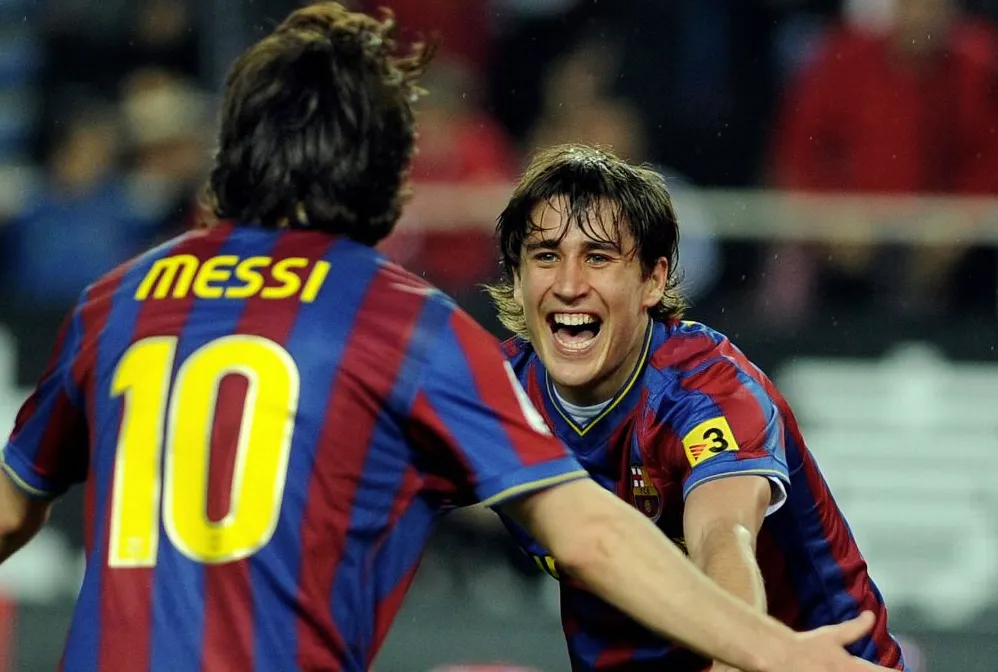
However, the foundation of his game was always about individual brilliance. While Messi evolved his game to become a playmaker and a leader, this player struggled to adapt when teams started double and triple-teaming him.
## The Turning Point: Injuries and Tactical Rigidity
The pivotal moment in his career was not a poor performance, but a severe injury. A non-contact injury during a routine training session sidelined him for nearly six months. This was the first crack in the armor of the “next Messi” narrative.
The Loss of Blistering Pace
Before the injury, his first step was lightning fast. He could accelerate from a standing start to full speed in a split second, leaving defenders in the dust. After returning, he lost that edge. The data from Jeetwin’s advanced metrics showed a sharp decline in his explosive sprint frequency. He no longer had that fatal burst of speed to beat his marker on the outside.
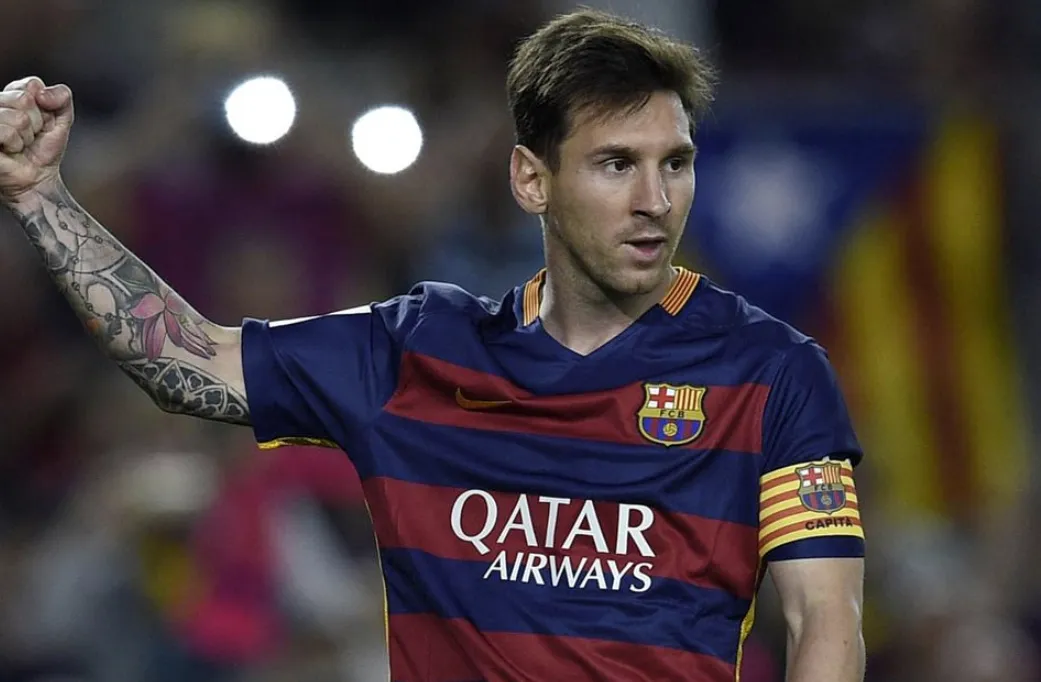
Tactical Evolution Left Him Behind
In the years it took him to recover, the tactical landscape changed. The modern game moved toward a high-press system that required every player, even wingers and attacking midfielders, to track back and defend. This player, who had always been given a free role, found himself isolated.
- Lack of Work Rate:He was often a passenger defensively, leaving his full-back exposed to 2v1 situations.
- Predictability:Teams realized that if they forced him onto his right foot (his weaker side), he would become predictable. His dribble attempts dropped by 40% as he received the ball facing his own goal more often.
He was no longer a dynamic threat; he was a tactical liability. His technical skills were still there, but the physical and tactical aspects of his game had fallen far behind.
## The Fallout: A Career at a Crossroads
The final chapter of his time at the top level was heartbreaking for those who saw his early potential. He was loaned out to smaller clubs, where he showed flashes of his old self but could never regain consistency.
The Mental Game
Perhaps the most significant damage was psychological. The constant questions about his weight, his form, and the “what could have been” narrative took their toll. “The external noise was deafening,” a former teammate confided. “He is a sensitive guy. He feels everything. The ‘next Messi’ tag wasn’t a compliment; it was a ticking time bomb.”
A Cautionary Tale for Modern Football
His story is not unique, but it is one of the most dramatic examples of the hype cycle. The pressure to be perfect, to score every game, and to be the savior of a club is immense.
- For Clubs:This story teaches us to protect young talents better. Rushing them into the spotlight without a strong support system is dangerous.
- For Fans:It reminds us to manage expectations. A magical season does not guarantee a decade of dominance.
- For the Player:He is still playing, now at a mid-tier club. He seems happier, away from the spotlight. He has accepted his fate, but the ghost of that “next Messi” label still follows him.
Conclusion: The Lesson from the “Next Messi”
In the end, what happened to this player dubbed the “next Messi” is a story of unrealized potential, but not of wasted talent. He showed us the beauty of a pure football skill, but also the brutal reality of what happens when a player cannot adapt. As we watch the next generation of wonderkids emerge, we should remember his story. It is a powerful reminder that a label is not a destiny. While he never became the next Messi, his journey is a compelling and tragic narrative that every football fan should understand. What do you think? Was he a victim of his own hype, or did he simply lack the resilience to be a true great? Share your thoughts in the comments below or explore more deep-dive analyses of football’s most intriguing stories right here on Jeetwin.
